
What Is Creative Direction?


The thinking behind how an idea comes to life.
Creative direction is the process of deciding how an idea should be expressed.
It establishes the overall visual and creative direction of a project — shaping its mood, tone, style, composition and character before individual pieces of design are created.
It is less about designing one thing.
It is about deciding what everything should feel like.
Starting With an Idea
Every creative project begins with something.
An idea.
A message.
A feeling.
A purpose.
A problem that needs solving.
Creative direction takes that starting point and gives it a clear direction.
It asks questions such as:
What should this communicate?
Who is it for?
How should it make people feel?
What should it look and sound like?
What should make it distinctive?
The answers become the foundation for the creative decisions that follow.
Setting the Tone
Creative direction establishes the character of a project.
It might be sophisticated and understated.
Bold and energetic.
Minimal and considered.
Playful and expressive.
Traditional and reassuring.
Modern and unconventional.
There is no single definition of good creative direction. The right direction depends on the idea, the audience and the outcome it is trying to achieve.
The objective is not simply to make something attractive. It is to make it appropriate, meaningful and effective.
Bringing Ideas Together
Without direction, individual creative decisions can compete with one another.
A typeface might work well on its own.
A photograph might look great.
A colour might be striking.
But if they do not belong to the same visual world, the overall result can feel disconnected.
Creative direction creates that connection.
It provides a framework for deciding how imagery, typography, colour, layout, photography, illustration, materials and other creative elements work together.
From Concept to Execution
Creative direction sits between the idea and the finished result.
It helps turn an abstract thought into something that can be seen, understood and experienced.
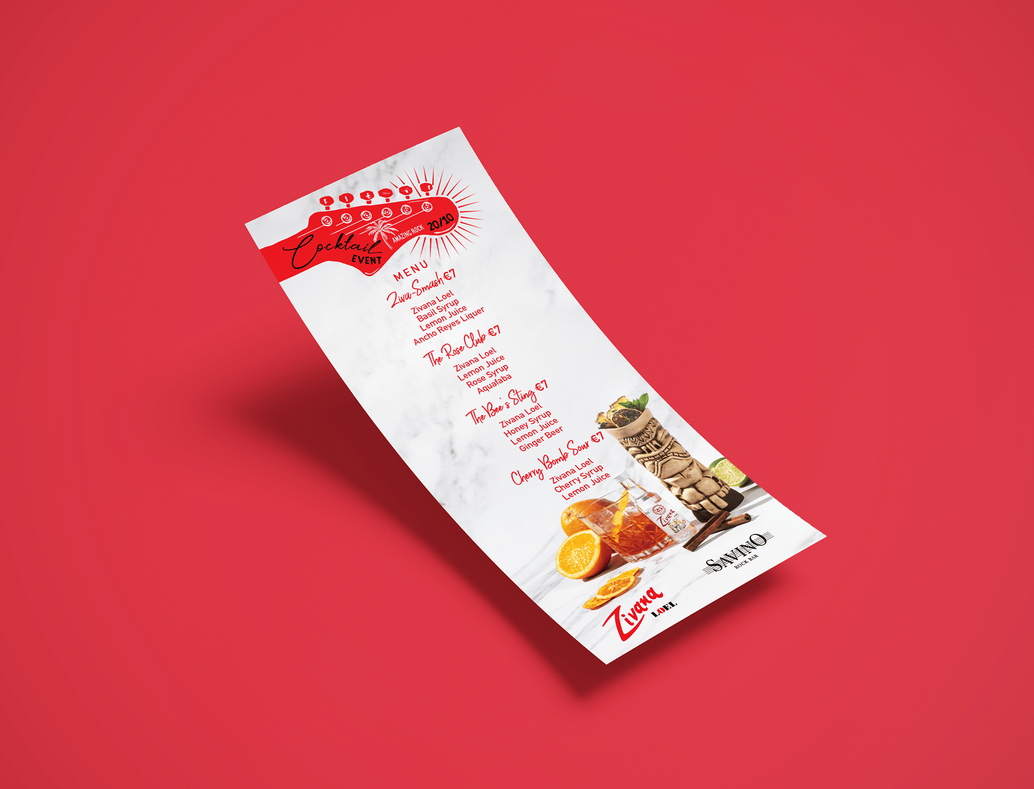
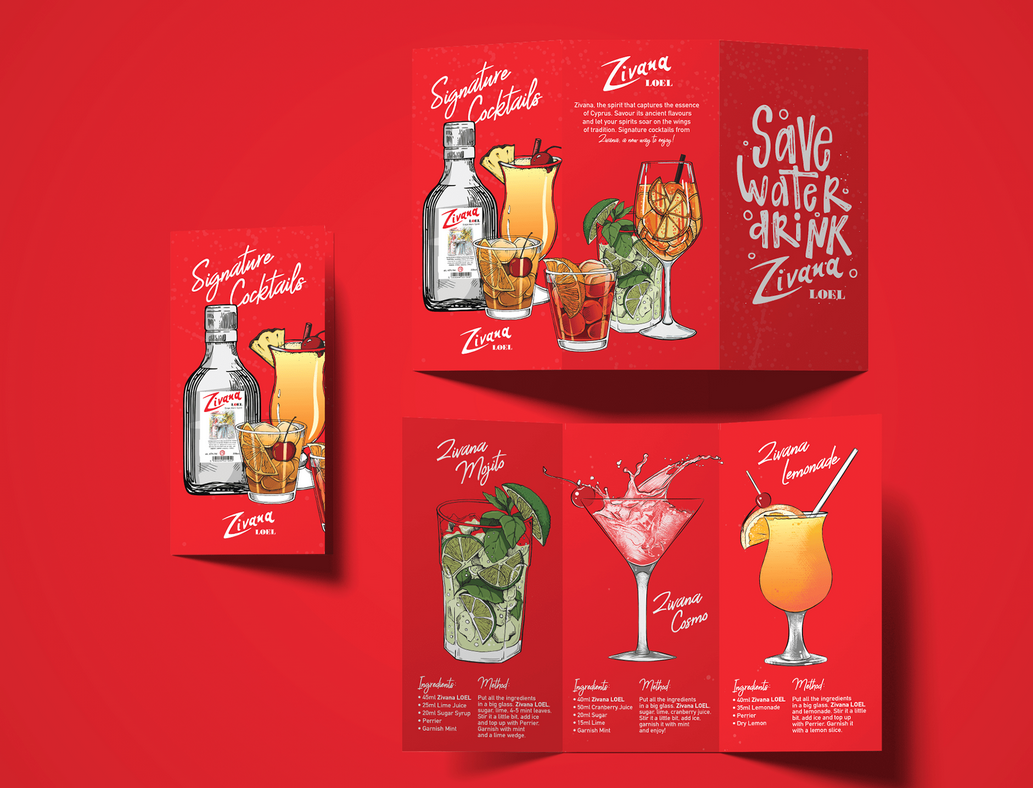
It can influence everything from a brand identity or advertising campaign to packaging, photography, a website, an event or a physical environment.
The scale can change.
The principle remains the same:
Have a clear idea of what you are trying to create before deciding how to create it.
Direction Creates Consistency
Creative direction also gives a project a sense of continuity.
When multiple pieces are being created across different platforms or at different times, a clear creative direction helps them still feel connected.
It gives people a reference point.
A visual language.
A tone.
A recognisable character.
This becomes particularly important when an idea needs to exist across many different formats and experiences.
The Difference Between Design and Direction
Design creates the individual pieces.
Creative direction considers how those pieces should work together.
A designer might create a poster.
Creative direction considers what that poster should communicate, how it should feel, where it belongs within the wider idea and how it connects to everything around it.
One creates the expression.
The other guides the expression.
Good creative direction gives creativity a purpose without taking away its freedom.
It creates the space for ideas to become something coherent, distinctive and intentional.